A 𝓿𝒾𝓇𝒶𝓁 and unsubstantiated rumor alleging that rapper Pooh Shiesty robbed and kidnapped his label boss Gucci Mane has been met with a characteristically flashy denial from the trap music icon himself. The explosive claim, which spread across social media platforms without evidence, suggests a violent falling out between the two 1017 Records artists, culminating in forced contract termination. The story gained alarming traction this week, fueled by speculative commentary and a questionable photograph, pushing the bizarre narrative into the mainstream conversation.
 Gucci Mane’s response was not a lengthy statement but a potent social media post that spoke volumes to his audience. He shared an image of his signature diamond-encrusted jewelry, captioning it, “We only rolled diamond splits.” This cryptic yet clear flex, within his personal lexicon, served as a direct rebuttal to claims of being robbed and intimidated. Industry observers interpret the post as a declaration that he remains unharmed, in control, and financially untouched.
The rumor appears to have originated in the murky corners of social media, with notable amplification from blogger Tasha K, who is currently embroiled in a 𝒹𝑒𝒻𝒶𝓂𝒶𝓉𝒾𝓸𝓃 lawsuit with Cardi B. In a since-deleted tweet, she alleged Gucci was held at gunpoint to release Shiesty from his 1017 contract, promising more details. This ignited the firestorm, despite the complete absence of any police reports, witness accounts, or official corroboration. The narrative preyed on existing gossip about label tensions and Shiesty’s recent release from federal prison.
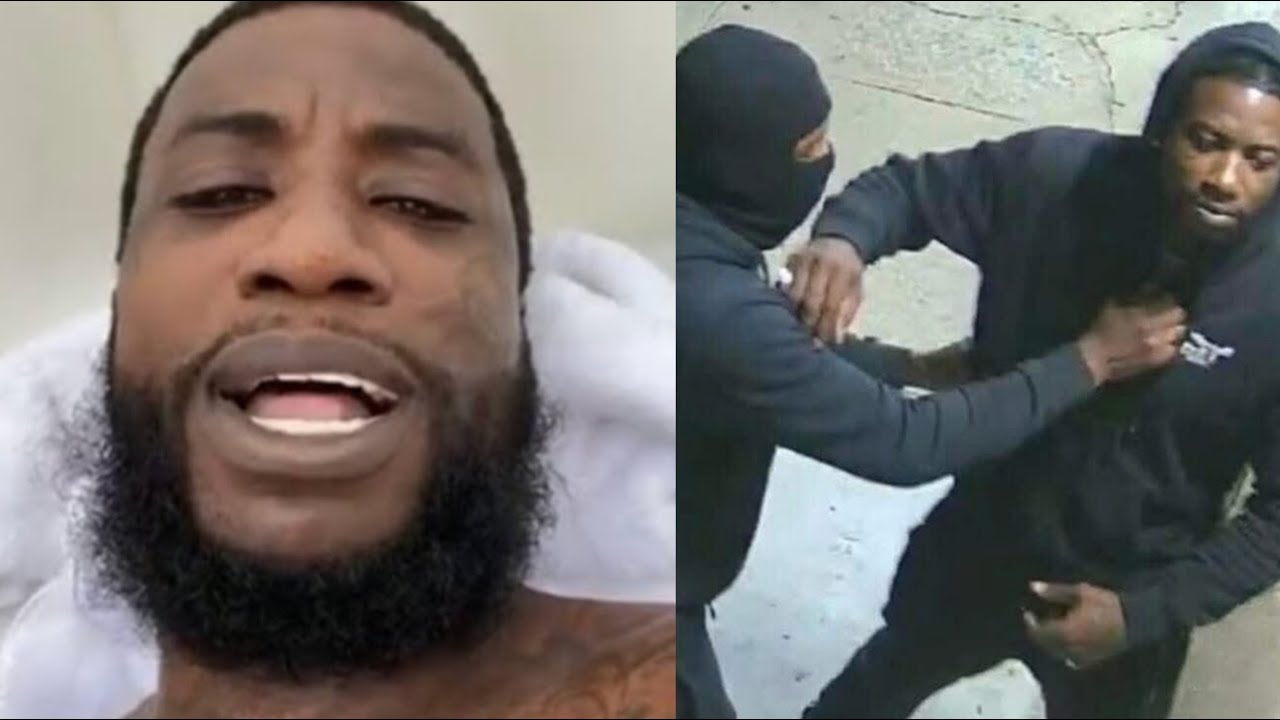
Adding a layer of digital confusion, a photograph surfaced purportedly showing Gucci Mane and Pooh Shiesty in a physical altercation. However, upon closer inspection by numerous analysts, the image is widely suspected to be a sophisticated AI-generated 𝒻𝒶𝓀𝑒. This technological twist highlights the dangerous speed at which fabricated evidence can be used to legitimize baseless stories, complicating the public’s ability to discern truth.
 The timing of the rumor is particularly sensitive. Pooh Shiesty, born Lontrell Williams, was recently released to a halfway house after serving time for a federal firearm charge related to a 2021 shooting. The alleged robbery story bizarrely mirrors the circumstances of his previous legal trouble, involving accusations of conspiracy and armed robbery. For him to allegedly engage in similar conduct immediately upon release, experts note, would be legally suicidal.
Furthermore, the alleged motive makes little sense within the established business relationship. Gucci Mane famously signed Pooh Shiesty early in his career, providing a major platform that led to hits like “Back in Blood.” Throughout Shiesty’s incarceration, Gucci publicly supported him and kept his music in circulation. Just weeks ago, Gucci confirmed Shiesty remained on the 1017 roster, celebrating his homecoming.
The rumor was dissected on popular podcasts like No Jumper, where hosts expressed extreme skepticism. Commentators pointed out the illogic of Shiesty’s team circulating such a story while he remains under federal supervision. “To say Gucci was robbed and Pushy’s team is talking about it while he’s in the halfway house… I don’t want to believe P is that damn dumb,” one host stated, summarizing the prevailing disbelief.

This incident underscores a modern media phenomenon where social media speculation, often dubbed “Twitter University,” achieves the velocity and perceived credibility of verified news. The rapid “remixing” of a single unverified claim creates a false consensus, forcing public figures to address fictional scenarios. Gucci Mane’s choice to respond with a display of wealth rather than a direct denial is a calculated move in this environment.
The story also taps into a persistent, though often disputed, narrative about Gucci Mane’s management style and the so-called “1017 curse,” suggesting artists struggle to succeed under his label. Gucci has recently streamlined his roster, focusing on a core group including Shiesty and Foogiano, which he frames as a move for quality over quantity. This rumor attempts to inject 𝒹𝓇𝒶𝓂𝒶 into what he presents as a stable, strategic business operation.
 For now, the official record shows no police activity, no legal filings, and no credible sources supporting the kidnapping and robbery tale. The only hard evidence presented—the suspicious photo—crumbles under scrutiny. Gucci Mane’s icy, diamond-studded retort stands as the primary counter-narrative, a silent but powerful testament to his unchanged status. The burden of proof remains entirely on those propagating the sensational claim.
The episode serves as a stark warning about the power of digital gossip in the hip-hop community, where personal brand and reputation are paramount currencies. It demonstrates how a vacuum of information, combined with a pre-existing appetite for 𝒹𝓇𝒶𝓂𝒶, can spawn a fully-formed alternative reality that demands a response. Gucci Mane’s handling of it, through curated imagery rather than engaged debate, may become a blueprint for artists navigating similar storms.
As the dust settles, the conversation shifts from the alleged crime to the ethics of rumor propagation. The incident raises questions about accountability for influencers who broadcast serious 𝒶𝓁𝓁𝑒𝑔𝒶𝓉𝒾𝓸𝓃𝓈 without verification, especially those with legal histories of 𝒹𝑒𝒻𝒶𝓂𝒶𝓉𝒾𝓸𝓃. The line between reporting gossip and perpetuating harmful fiction has never been thinner or more consequential.
Ultimately, this appears to be a case study in internet-driven myth-making. A confluence of factors—a recently freed artist, a low-profile boss, and a culture fascinated by downfall—created the perfect conditions for a 𝓿𝒾𝓇𝒶𝓁 fiction. Until any substantiated evidence emerges, the official story remains one of business as usual, punctuated by the blinding gleam of unchallenged diamonds and the silent confidence of a trap legend who felt no need to say more.