A wave of targeted violence is tearing through the streets of Memphis, with the city’s homicide rate soaring to a level nine times higher than Los Angeles and the brutal fallout from a rap feud now manifesting in real-world bloodshed. This surge in chaos centers on the lingering conflict between hometown moguls, a dispute that has escalated far beyond lyrical sparring into a cycle of retaliation claiming lives and terrorizing communities.
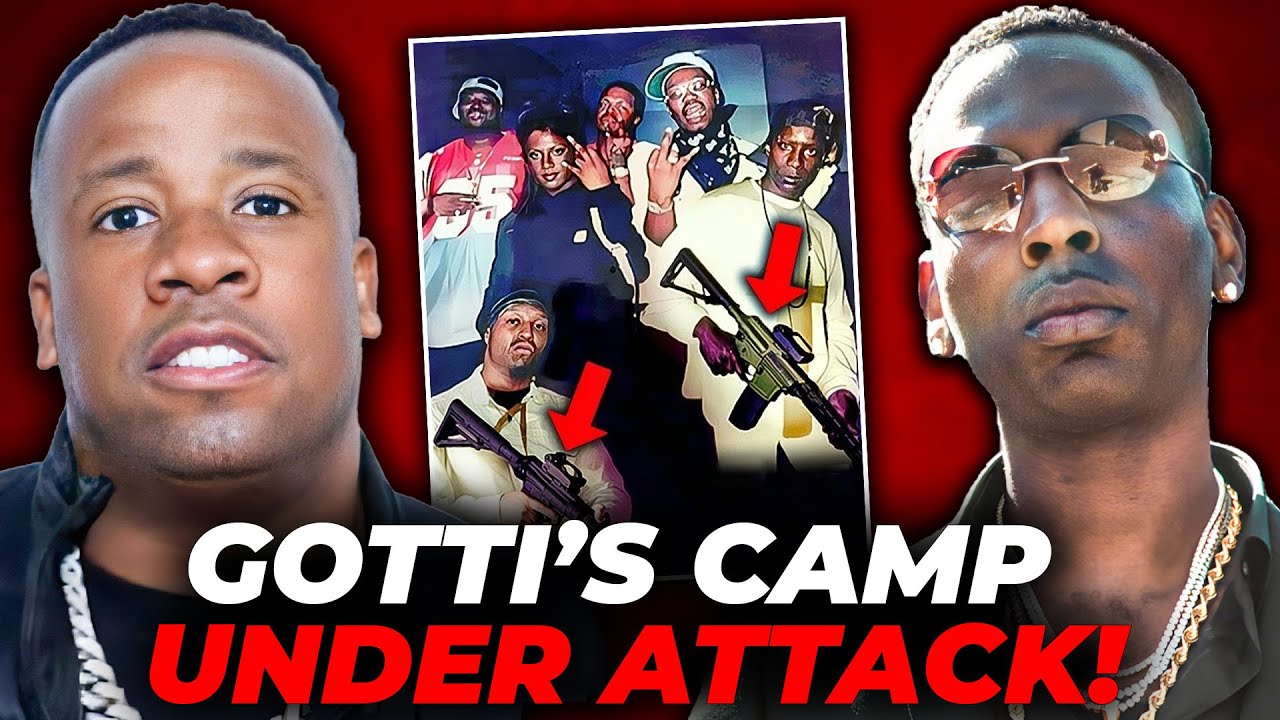 The grim statistics paint a harrowing picture. In 2024, Memphis, with a population of 600,000, recorded a staggering 357 homicides. This dwarfs the murder count of larger cities and gives Memphis a homicide rate nearly three times that of Chicago. The city’s police solve only 31% of these killings, well below the national average, creating an environment of pervasive lawlessness.
This crisis is rooted in the city’s profound decline. Once a thriving middle-class hub, Memphis began a downward spiral in the 1960s following a rapid white flight that eviscerated its tax base. The aftermath is visible today: abandoned homes, failing schools, and a glaring absence of economic opportunity or effective law enforcement. For many, the streets became the only viable economy.
It is from this environment that two of the city’s most prominent figures emerged. Mario Mims, known as Yo Gotti, rose from the notorious Ridgecrest Apartments, building a rap career and later the CMG label through relentless hustle. Simultaneously, Adolph Thornton Jr., Young Dolph, cultivated an independent empire from the blighted Castalia Heights, valuing autonomy above all else.
The rift began in 2014 when Gotti, seeking a flagship artist for his then-struggling CMG label, offered Dolph a deal. Dolph, committed to his own Paper Route Empire, declined. Tensions ignited months later when Dolph signed a distribution deal with another company, which Gotti perceived as a personal slight and a broken promise.
The feud erupted publicly in 2016 following Dolph’s album “King of Memphis,” a title Gotti took as a direct challenge. Gotti’s protégé, Black Youngsta, escalated matters by posting videos in Dolph’s neighborhood, issuing threats and dismissals. What seemed like industry 𝒹𝓇𝒶𝓂𝒶 to outsiders was a deadly serious provocation in the context of Memphis.
 Dolph, however, remained publicly dismissive, framing Gotti’s actions as clout-chasing fueled by envy. He pointed to his independent success as the core reason for the animosity. This perception failed to account for the volatile street dynamics now in play, where perceived disrespect demands a response.
The situation turned catastrophically violent on February 19, 2016, the very day “King of Memphis” was released. Dolph was ambushed in Charlotte, North Carolina; his SUV was riddled with over 100 bullets. Miraculously, he survived. The brazen attack signaled the beef had moved irrevocably from words to warfare.
Retaliation was swift. In December of that year, Gotti’s younger brother, “Big Jook,” was shot and killed outside a Memphis restaurant. The murder, still unsolved, was widely seen as a direct response to the attack on Dolph, illustrating the brutal tit-for-tat pattern that would come to define the conflict.
Dolph’s defiance only grew. He released the scathing diss track “Play With Yo Bitch,” a ruthless and personal attack on Gotti that further inflamed tensions. Despite the clear danger, Dolph doubled down on his presence in Memphis, openly frequenting local businesses and investing in the community that raised him.
This visibility ultimately proved fatal. On November 17, 2021, Young Dolph was assassinated while buying cookies at Makeda’s Homemade Butter Cookies, a beloved Memphis bakery. The murder sent shockwaves through the city and the music industry, marking a devastating peak in the violence.

The investigation into Dolph’s murder unraveled a plot allegedly orchestrated by individuals connected to Gotti’s circle. In a series of high-profile trials, suspects like Justin Johnson and Cornelius Smith were convicted and given life sentences. The proceedings 𝓮𝔁𝓹𝓸𝓼𝓮𝓭 alleged coordination and funding tied to the rap feud.
Now, a new and bloody chapter is unfolding. In what appears to be a sweeping campaign of retaliation for Dolph’s murder, multiple individuals linked to Yo Gotti and his CMG collective are being targeted. The streets of Memphis are witnessing a chilling sequence of attacks and assassinations.
In January 2023, Gotti’s close associate and artist, “Snootie Wild,” was fatally shot in Houston, Texas. His death, while not directly solved in court, is viewed by many in the community as part of the ongoing conflict. The violence then returned squarely to Memphis.
The most devastating blow came on January 19, 2024. Gotti’s older brother, Anthony “Big Jook” Mims, was executed in a drive-by shooting outside a Memphis funeral home. He was sitting in his vehicle when attackers opened fire, killing him instantly. This murder represented a profound personal loss for Gotti and a stark escalation.
 The retaliation has continued unabated. In recent months, other figures associated with Gotti’s camp have been attacked, wounded, or forced into hiding. The pattern suggests a coordinated effort to systematically dismantle the network, a campaign of obliteration playing out in real time.
Residents are living in a state of siege. As one mother, herself a recent shooting victim, pleaded to local news, “My kids can’t even go outside no more.” Her sentiment echoes across a city where routine disputes at corner markets can escalate into fatal home invasions.
The justice system appears overwhelmed. Cases like that of Cordarian Craft, indicted on 48 counts including murder for a Super Bowl Sunday crime spree while out on a prior bond, underscore the cycle of release and re-offense plaguing the city. The infrastructure is crumbling under the weight of the violence.
Community leaders are begging for a ceasefire that seems increasingly impossible. The deep roots of the conflict, intertwined with personal pride, business rivalries, and street credibility, have created a self-perpetuating engine of vengeance. Each funeral sparks the next attack.
Memphis now stands as a tragic case study in how cultural influence, economic desperation, and weak institutions can combust. The story of Yo Gotti and Young Dolph, two sons of the city who sought to escape its grasp, demonstrates how powerfully it can pull them back in.
As the targeted strikes continue, the city holds its breath. The directive from the shadows to those associated with the fray is unambiguous: stay inside or get spanked. For a population trapped in one of America’s most dangerous regions, the war zone is not a metaphor but a daily, terrifying reality. The Delta’s grip is tight, and its stories are too often written in blood.