A brutal cartel-linked ambush in Mexico has left three people dead, including a young girl, after gunmen fired over 200 rounds into a luxury vehicle. The attack, which also claimed the lives of two security personnel, targeted businessman Alberto Ampto after he reportedly refused protection offers from a local cartel. The incident underscores the extreme violence plaguing regions where criminal organizations operate with impunity.
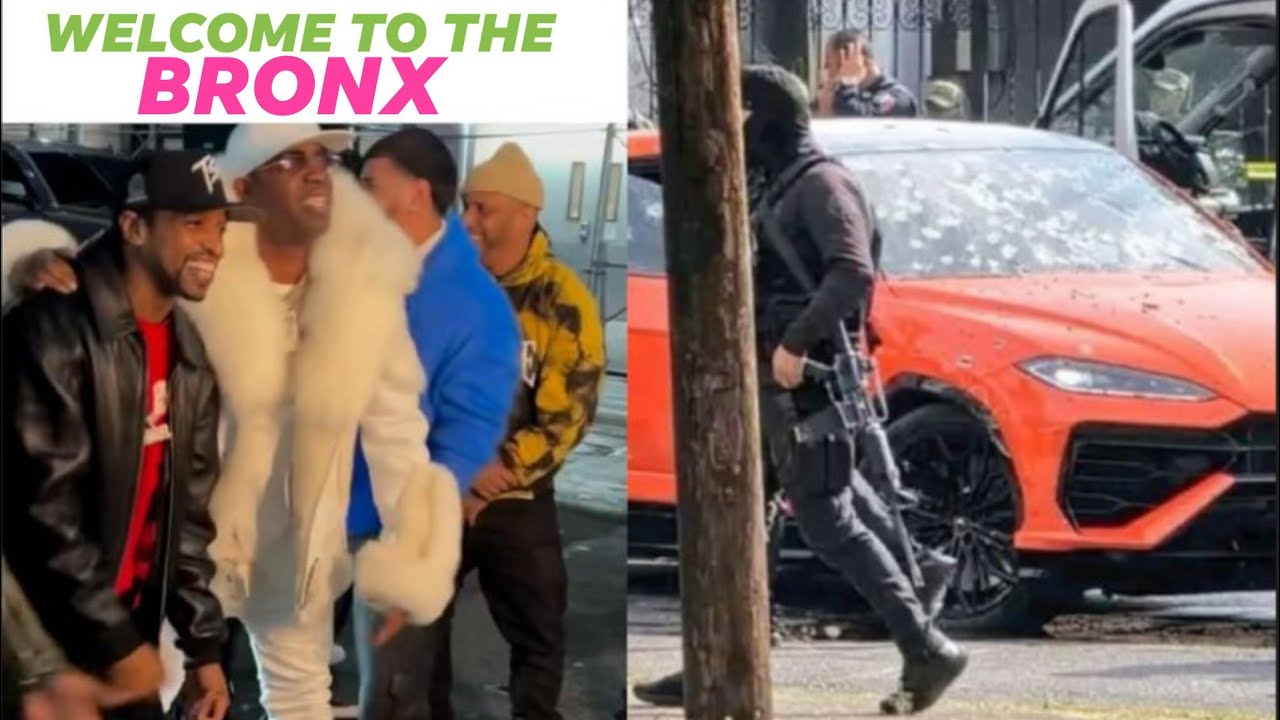 Separately, a bizarre controversy has erupted within the Brooklyn hip-hop scene, leading to the social exile of a local rapper. The artist known as Uncle Murder has been declared persona non grata and issued a “no-fly zone” in his home borough following a series of questionable associations and a drastic change in personal style. The rift began after he conducted an interview with the infamous Jamaican figure Kitty Ralph, known for his own violent notoriety.
The interview itself raised eyebrows, but it was the rapper’s subsequent fashion transformation that fueled intense speculation and condemnation from peers. Uncle Murder, formerly known for a utilitarian style of army fatigues and work boots, abruptly began sporting ostentatious pleather jackets adorned with what appeared to be dead animal pelts. This sartorial shift mirrored the distinctive style of Kitty Ralph, a move viewed as deeply inauthentic by his core audience.
Community members quickly noted that such specific items could only be sourced from a few locations, notably Forman Road, leading to 𝒶𝓁𝓁𝑒𝑔𝒶𝓉𝒾𝓸𝓃𝓈 that Uncle Murder was disingenuously shopping for a new image. This perception of calculated reinvention, combined with the interview with a controversial foreign figure, severely damaged his credibility. The situation was compounded by whispers regarding his personal conduct, contrasting sharply with his previous public persona.
 The collective backlash culminated in his effective banishment from the 718 area code, with former allies labeling him a “snitch” and cutting all ties. This episode highlights the intense scrutiny and rigid codes of authenticity within certain music subcultures, where perceived betrayal or hypocrisy can end a career overnight. The rapper’s fall from grace was swift and total, orchestrated not by law enforcement but by the court of street opinion.
Meanwhile, details of the Mexico City attack paint a picture of calculated, public brutality. Alberto Ampto was traveling in his Lamborghini SUV when his convoy was intercepted. Assailants unleashed a hailstorm of gunfire, pumping more than 200 rounds into the vehicle. Ampto, his daughter, and his security detail were all killed at the scene, pronounced dead on arrival by emergency services.
Authorities believe the massacre was a direct response to Ampto’s refusal to pay extortion fees or accept so-called “protection” services from a powerful cartel seeking to control his business interests. The attack, carried out in broad daylight, serves as a gruesome advertisement of the consequences of defiance. It has sparked urgent questions about the safety of high-net-worth individuals in Mexico, even those with security measures in place.

Security analysts are stunned that an individual of Ampto’s apparent wealth and profile was not traveling in an armored vehicle, a standard precaution in regions dominated by cartel violence. The absence of such protection proved fatal. This incident is not isolated but part of a worsening pattern of cartels directly targeting business elites to consolidate economic power and instill fear.
The juxtaposition of these two stories—one of cultural exile in New York and another of literal execution in Mexico—reveals different facets of modern conflict. One is a battle over image, loyalty, and narrative within a closed community. The other is a raw struggle for power and profit, enforced with absolute, merciless violence. Both, however, are governed by unwritten rules with severe penalties for those who break them.
 In Brooklyn, the penalty is social death and career annihilation. In Mexico, it is physical annihilation. The rapper’s alleged transgression was a betrayal of cultural identity and trust. The businessman’s was a refusal to submit to criminal authority. Their outcomes, while vastly different in finality, were both precipitated by a failure to adhere to the demanded protocols of their respective environments.
The investigation into Ampto’s murder continues, with Mexican federal authorities vowing to pursue the perpetrators. Few expect quick arrests, given the pervasive influence of the cartels involved. The case has instead renewed debates about the government’s ability to protect its citizens and combat the deep-rooted corruption that allows such groups to flourish.
Conversely, the saga of Uncle Murder will be adjudicated solely in the court of public opinion and through the diss tracks and social media commentary of his former peers. There will be no official investigation, but the verdict has already been delivered. His ability to work in his home territory has been permanently revoked, a fate almost as final in the world he inhabits.
These events, unfolding simultaneously across borders, are a stark reminder of the many forms that power and punishment can take. From the digital streets of social media to the very real streets of Mexico City, codes are enforced, boundaries are patrolled, and those who cross them face formidable consequences. The tools of enforcement range from 𝓿𝒾𝓇𝒶𝓁 condemnation to high-caliber weaponry, but the intent to control and punish remains a constant, dark thread.